Bonsai: Your Go-To Font for Vibrant, Playful Designs
In the world of design, finding a typeface that feels both fresh and versatile can feel like searching for a hidden gem. Bonsai, an enchanting font duo, arrives as just that—a contemporary and charismatic asset that brims with life. It’s not merely a collection of letters; it’s a design partner that brings a scintillatingly vibrant and delightfully endearing quality to any project it touches. Imagine the refreshing vibes of a perfect summer day captured in a typeface. That’s the essence of Bonsai.
This creative font is built for impact. Its personality is playful yet sophisticated, making it an invaluable addition to any designer's toolkit. Whether you use its components separately or together, Bonsai infuses an overwhelming allure that can transform a simple layout into something memorable. It’s the kind of premium font that solves the common challenge of needing a design to feel both fun and professional at the same time.
Understanding the Bonsai Font Duo
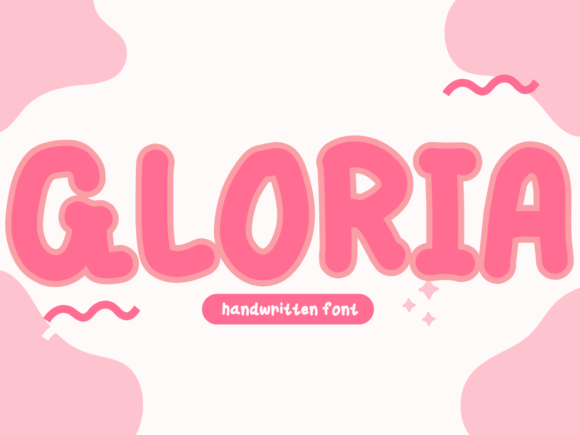
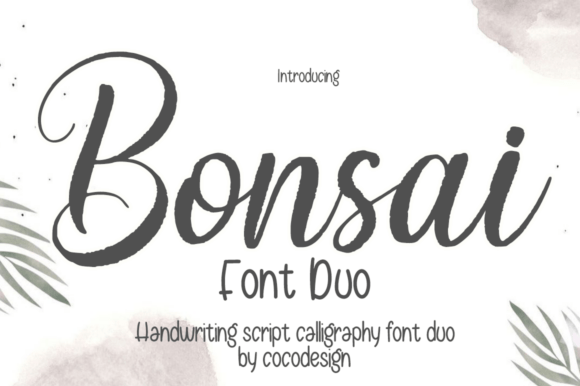
At its core, Bonsai is a thoughtfully crafted font pairing. It typically includes a bold, friendly display font and a complementary script font or handwritten font. The display face is often a rounded sans serif font with soft edges and a generous, approachable feel. It commands attention without being aggressive, making it perfect for headlines and logos. Its companion script adds a layer of personal, hand-lettered charm, ideal for accents, quotes, or adding a human touch.
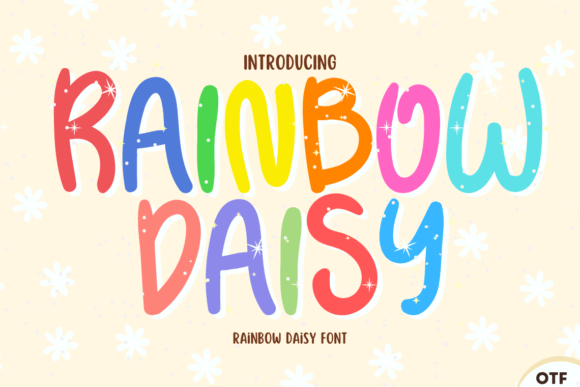
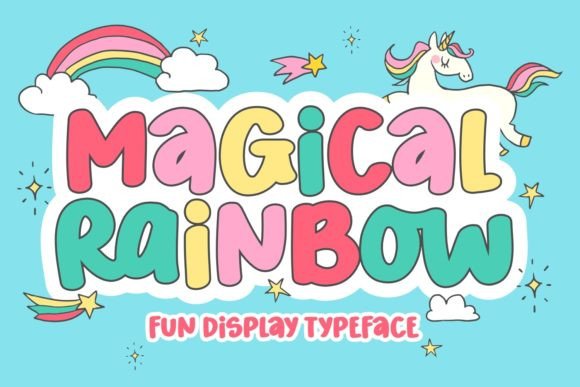
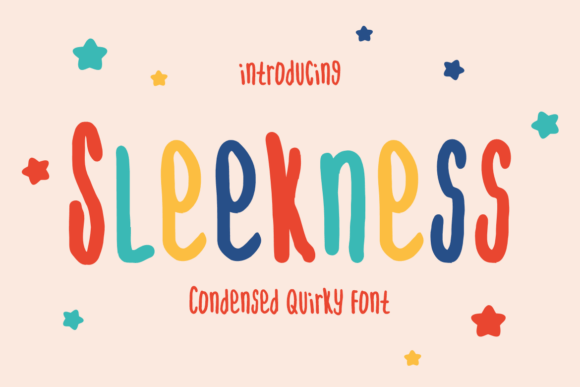
The visual style of Bonsai is defined by its fluidity and warmth. You’ll notice gentle curves, consistent stroke weights that avoid being too thin or too thick, and an overall sense of optimism. This isn’t a cold, geometric serif font; it’s a modern typeface designed to evoke emotion. The "Bonsai" name itself hints at something carefully shaped, beautiful, and natural—qualities that are clearly reflected in the font's design.
Its versatility is a key strength. The Bonsai duo can be used for a wide range of applications. Picture it springing to life in lively children’s event posters, compelling educational materials, or festive holiday decorations. It’s equally at home on cheerful birthday invitations, sun-drenched summer sale graphics, or fashionable t-shirt designs. The font’s multifaceted nature lends itself to a myriad of creations, imbuing them with an endearing, playful essence that connects with audiences.
Where Bonsai Truly Shines: Practical Applications
Understanding where a font excels is crucial for making smart design choices. Bonsai’s strength lies in its ability to inject personality without sacrificing clarity. This makes it a powerhouse for projects where audience engagement is paramount.
- Branding & Logo Design: For startups, lifestyle brands, or businesses targeting a youthful or family-oriented market, Bonsai is a fantastic choice for a brand identity. A logo design using its display font feels instantly welcoming and modern. Paired with the script for taglines, it creates a complete and cohesive look that’s both professional and full of character.
- Marketing & Social Media: In the fast-scrolling world of social media graphics, grabbing attention is everything. Bonsai’s vibrant personality makes it perfect for Instagram posts, Facebook ads, and Pinterest pins. It’s a modern typography choice that helps your content stand out in a crowded feed, especially for promotions, announcements, or lifestyle content.
- Publishing & Editorial Design: While not for body text, Bonsai shines in editorial design. Use it for chapter titles in a cookbook, section headers in a magazine, or cover titles for a children’s book. It adds visual interest and sets a specific, engaging tone right from the first page.
- Packaging & Product Design: Physical products benefit immensely from thoughtful packaging design. Bonsai is perfect for labels on artisanal goods, cosmetics, or snacks. Its friendly aesthetic can influence brand perception, making a product feel approachable, high-quality, and worth picking up.
- Crafting & Personal Projects: This is where Bonsai truly feels like a gift. It’s an ideal design asset for crafters and hobbyists. Use it to create bold stickers, heat-transfer designs for tote bags, or heartfelt greeting cards. Its charm elevates personal projects into polished, professional-looking creations.
Making Bonsai Work for You: A Practical Guide
Choosing the right commercial font involves more than just liking how it looks. Here’s how to evaluate and implement Bonsai effectively in your workflow.
First, consider your project’s core message. Is it playful and informal? Bonsai is likely a great fit. Is it serious and corporate? You might reserve it for a specific campaign rather than your primary brand identity. Always test the font in context. Mock up a quick web design layout, a social media post, or a product label to see how it feels. Pay close attention to readability, especially at smaller sizes or in longer phrases. The bold display version should remain clear, while the script should be used sparingly for maximum impact.
Next, explore font pairing. While Bonsai works beautifully on its own, it can also be paired with a neutral sans serif font for body text to create a clean, balanced hierarchy. For example, a simple, geometric sans serif for paragraphs would allow Bonsai’s headings to pop without overwhelming the reader. Review all the styles included in the font family—look for alternates, ligatures, and multiple weights. These features give you more creative control and help maintain consistency across different applications.
Finally, ensure you have the proper license for your intended use. If you’re creating designs for clients, selling merchandise, or using it in digital products, a commercial license is essential. Reputable font foundries provide clear licensing terms, so you can use your design assets with confidence. Bonsai isn’t just a fleeting trend; it’s a versatile tool that, when used thoughtfully, can significantly enhance your visual communication, making your work more recognizable, engaging, and effective.