Why Sweet Dream Is the Bold Sans Serif Your Designs Need
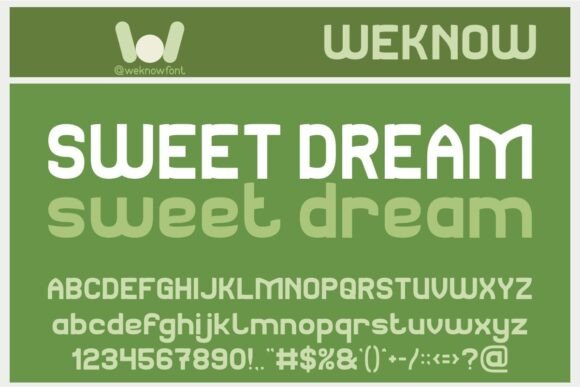
Every designer hits that wall where the usual sans serif fonts just feel... safe. You need something with personality, a typeface that doesn't just sit on the page but makes a statement. That's where Sweet Dream enters the conversation. It’s a premium font that blends the clean, readable structure of a sans serif with an unexpected, vibrant energy. Think of it as the confident, artistic friend in your font library—the one who knows how to get attention without shouting.
What makes Sweet Dream stand out isn't just its bold weight. It's the subtle playfulness in its curves and terminals. There’s a clarity that ensures your message gets across instantly, but the character has a unique, almost rhythmic quality. It feels modern and optimistic, making it a powerful tool for anyone building a brand identity or designing for projects that need to connect on an emotional level. This isn't a generic workhorse; it's a creative font designed to inject life into your work.
Where Sweet Dream Truly Shines: Real-World Applications
Understanding a font’s strengths is key to using it effectively. Sweet Dream’s lively personality makes it exceptionally versatile, but it has a particular knack for certain industries and project types. Let's break down where it delivers the most impact.
Building a Recognizable Brand Identity
For startups, small businesses, and personal brands, first impressions are everything. Sweet Dream is an outstanding choice for logo design and logotypes. Its distinctiveness helps create a brand identity that’s memorable from the first glance. In the apparel industry, where visual expression is currency, this font keeps fashion statements bold and expressive on everything from hang tags to e-commerce headers. It’s the kind of typeface that makes a brand feel approachable yet professional, cutting through the noise of more conventional choices.
Capturing Attention in Marketing and Digital Spaces
In the fast-scrolling worlds of social media and digital advertising, you have milliseconds to engage. Sweet Dream excels as a display font for dramatic headlines, poster designs, and YouTube thumbnails. Its high-contrast style ensures legibility even at smaller sizes in social media graphics, while its personality makes viewers pause. For web design, it can be a game-changer for hero sections, call-to-action buttons, and key headings, adding a layer of sophistication and energy that standard system fonts lack. It’s a modern typography solution that feels native to the digital landscape.
Enhancing Print and Editorial Projects
Don't limit Sweet Dream to the screen. Its strong visual hierarchy makes it a fantastic asset for editorial design and packaging design. Imagine it on the cover of a magazine, setting the tone for a vibrant feature story, or on a book cover that needs to stand out in a crowded genre. In comics, its expressive quality can amplify dialogue and sound effects. For packaging design, especially for products targeting a younger, style-conscious demographic, it communicates fun and quality instantly. It’s a creative font that bridges the gap between traditional and contemporary media.
Practical Guidance: Choosing and Using Sweet Dream
Picking the right font is a strategic decision. Here’s how to evaluate if Sweet Dream is the perfect fit for your next project and how to get the most out of it.
Evaluating Project Fit and Readability
Start by considering your project’s core message and audience. Sweet Dream’s bold, playful nature is ideal for projects that aim to be energetic, innovative, or youthful. It’s perfect for a music festival poster, a gaming interface, or a trendy cafe’s menu. For a corporate law firm’s annual report, you might pair it with a more neutral serif font for body copy, using Sweet Dream only for impactful pull quotes. Always test for readability. While it’s designed for clarity, its personality works best when it has room to breathe. Use it for headlines, subheadings, and key phrases rather than long paragraphs of text.
Mastering Font Pairings and Hierarchy
A great font becomes even more powerful in the right company. Sweet Dream pairs beautifully with a wide range of other typefaces. For a clean, professional look, try combining it with a simple, geometric sans serif for body text. If you want more contrast, a classic serif font can provide a elegant counterpoint. You could even explore pairing it with a subtle script font or handwritten font for a dynamic, layered effect in invitations or branding materials. The key is to use Sweet Dream to command attention where it matters most, creating a clear visual hierarchy that guides the viewer’s eye effortlessly.
Understanding the Commercial Font Details
Before you commit, check the licensing. Sweet Dream is a commercial font, so ensure its license covers your intended use—whether it’s for a client project, merchandise, or a website. Review the included styles. Does it come with multiple weights (like Regular, Bold, Black) or stylistic alternates? These variations are crucial for adding depth to your designs and maintaining consistency across all your design assets. A well-equipped premium font family gives you the flexibility to tackle any creative challenge, from a subtle watermark to a full-blown billboard.
In the end, the best way to know if a font works is to use it. Download a test version of Sweet Dream, place it into a mock-up of your project, and live with it. See how it feels. Does it elevate the design? Does it speak the right language for your audience? When a font like Sweet Dream clicks, it does more than just display words—it amplifies the entire creative essence of your work. It becomes an integral part of your visual story, adding its unique, vibrant touch to everything it graces.