Dreaming Handwriting: A Typeface That Smiles Back
Capturing Joy in Every Curve
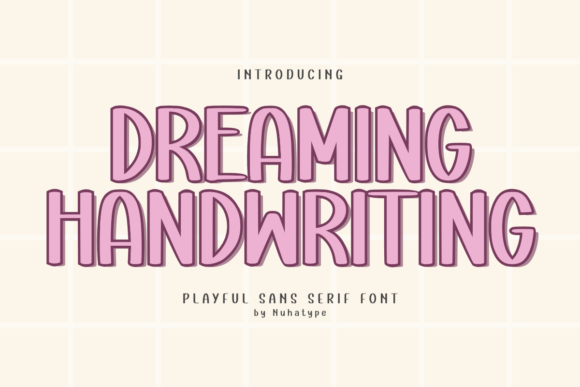
You know the feeling when you see a design and it just makes you smile? That’s the immediate effect of the Dreaming Handwriting font. It’s a delightful, bubbly sans serif that feels less like a digital tool and more like a friendly note from a talented friend. This isn't a stiff, corporate typeface. It’s a handcrafted font that brings genuine warmth to any project it touches. Think of those rounded edges and the soft, almost tangible shadow effect—that’s what gives it that unique, approachable personality. It’s the visual equivalent of a warm greeting, perfect for when your design needs to feel personal and human.
Where This Font Truly Shines
So, where does Dreaming Handwriting fit into your creative toolkit? Its strength lies in its versatility for projects that prioritize connection over formality. For children’s book covers, it’s a natural choice, offering legibility with a playful charm that appeals to both kids and parents. Nursery wall art and baby shower invitations are other perfect applications, where its softness creates a soothing atmosphere.
Beyond the nursery, this display font excels in the world of social media graphics. A vibrant quote or a friendly call-to-action set in Dreaming Handwriting instantly feels more engaging and shareable. It’s also a standout for packaging design on artisan goods, stickers, or t-shirts, where its handcrafted feel adds perceived value. For logo design, particularly for bakeries, craft studios, or family-focused brands, it can establish an immediate sense of approachability and creativity. In editorial design, think of it for pull quotes or section headers in lifestyle magazines—it breaks up the monotony of body text and injects a dose of personality.
The Strategic Impact on Your Brand and Projects
Choosing a font is a strategic decision. Dreaming Handwriting as a premium font isn’t just about aesthetics; it influences how your audience perceives and interacts with your work. Its rhythmic flow and clear letterforms ensure it remains a highly legible choice, even at smaller sizes on digital screens—a crucial factor for web design and app interfaces. This readability directly impacts user experience and engagement.
From a brand identity perspective, consistently using this creative font can build recognition. It signals a brand that is friendly, creative, and transparent—values that resonate deeply with today’s consumers. It helps in establishing a visual hierarchy that guides the viewer’s eye naturally, making your message more effective. However, its personality is strong. It’s best used for headlines, logos, and short bursts of text rather than for long paragraphs of body copy, where a more neutral sans serif font or serif font would be a better pairing for sustained reading.
Practical Guidance for Implementation
Ready to put Dreaming Handwriting to work? Here’s a practical approach:
- Evaluate Project Fit: Ask if your project’s goal is to convey warmth, creativity, and approachability. If it’s for a legal document or a high-tech corporate report, it’s likely not the right fit. For a yoga studio’s workshop flyer or a local bakery’s menu? It’s ideal.
- Test Font Pairings: This is where the magic happens. Dreaming Handwriting pairs beautifully with clean, minimalist sans serif fonts (like Montserrat or Open Sans) for body text. It can also create a striking contrast with a classic serif font (like Lora or Playfair Display). Always test pairings in context.
- Review Included Styles: Check the font package. Does it include multiple weights or stylistic alternates? These can provide valuable flexibility within your font pairing strategy and help you avoid needing another script font or handwritten font.
- Consider Color and Background: The font’s soft shadow effect works best with sufficient contrast. Pair it with bright or pastel color palettes on clean backgrounds to let its character pop. Avoid busy, low-contrast backgrounds that can muddle its details.
- Understand Licensing: As a commercial font, ensure its license covers your intended use—whether for personal projects, client work, or merchandise sales. This is a non-negotiable step for professional use.
Think of Dreaming Handwriting as a key design asset in your library. It’s not a one-size-fits-all solution, but when used in the right context, it doesn’t just convey a message—it creates a feeling. It’s the difference between a design that informs and one that connects. For the designer, marketer, or small business owner looking to add a layer of authentic charm, this modern typography choice is worth serious consideration.