Boy Friend Font: Injecting Playful Modernity Into Your Designs
In the world of design, typography is more than just letters on a page; it is the voice of your project. A serif font might whisper tradition and reliability, while a sans serif font often speaks of clean, modern efficiency. But what if your project needs to shout with joy, giggle with whimsy, or simply smile? This is where the Boy Friend font enters the conversation. As a distinct comic font, it doesn't just convey a message—it establishes a mood. It’s a premium font that brings a burst of fun and personality, making it a valuable design asset for anyone looking to break away from the mundane.
The Visual Personality of Boy Friend
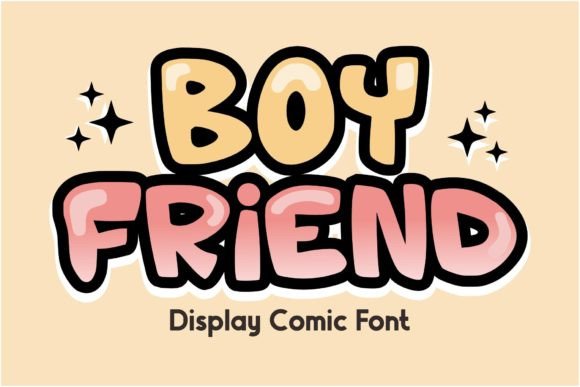
At its core, Boy Friend is a display font characterized by its rounded, bouncy letterforms and a distinctly modern take on the classic comic book style. It avoids the overly childish or chaotic look of some handwritten fonts, instead offering a polished, cohesive appearance. The strokes have a consistent weight, giving it a sturdy yet friendly feel. The letter spacing is generous, enhancing its legibility and approachable nature. This isn't a font that tries to mimic shaky handwriting; it’s a confidently drawn typeface that feels both authentic and professionally crafted. Its charm lies in this balance—it’s playful without being amateurish, and whimsical without sacrificing clarity.
Where Boy Friend Truly Shines: Practical Applications
The versatility of the Boy Friend font is one of its greatest strengths. It’s a creative font that can adapt to numerous contexts, making it a practical choice for a wide range of professionals and hobbyists. Here’s where it can add significant value:
Branding and Marketing with a Smile
For brands targeting families, children, or a youthful, energetic demographic, Boy Friend can become a cornerstone of a memorable brand identity. Imagine it on the logo for a children’s boutique, a family-friendly restaurant, or a toy store. It instantly communicates approachability and fun. In marketing, it’s perfect for social media graphics announcing a sale, creating eye-catching headers for blog posts, or designing engaging flyers for a community event. It cuts through the noise of sterile corporate communication, making your message feel more human and relatable.
Creative and Publishing Projects
This is where the font feels most at home. For editorial design, it can be used for chapter titles in a lighthearted book, section headers in a lifestyle magazine, or pull quotes that need to pop. In packaging design, it can add a delightful touch to product labels for snacks, crafts, or personal care items. Beyond print, it’s a fantastic choice for digital creators. Use it for YouTube video thumbnails, podcast cover art, or the titles in your digital planners and stickers. Its modern style ensures it looks crisp on screens, making it a reliable asset for web design elements like banners or call-to-action buttons where a touch of personality is needed.
Integrating Boy Friend: A Designer’s Practical Guide
Choosing a font is a strategic decision. Here’s how to evaluate and use the Boy Friend font effectively in your projects.
Evaluating Project Fit and Readability
First, consider your audience and project goals. Boy Friend excels in contexts where warmth, creativity, and approachability are key. It’s less suited for formal reports, legal documents, or luxury brand identities that rely on understated elegance. For readability, remember its role: it’s a display font for headlines, not body copy. Use it for short, impactful text blocks. Its clear letterforms ensure it remains legible even at smaller sizes in applications like stickers or social media icons, but always test it in your specific context.
Mastering Font Pairing
The true power of a creative font like Boy Friend is often unlocked through pairing. It creates a dynamic contrast with more neutral typefaces. For a balanced and professional look, pair it with a clean sans serif font for your body text. The simplicity of the sans serif will ground the playfulness of Boy Friend, creating a clear visual hierarchy. For a different vibe, you could pair it with a simple, readable serif font to mix whimsy with a touch of classic sophistication. The key is to let Boy Friend be the star for headlines and let its partner handle the supporting text.
Understanding Styles and Licensing
Before purchasing, review the font package. Does it include multiple weights, like regular and bold? Are there stylistic alternates or additional glyphs that offer more customization? Understanding what’s included ensures you can maximize its use across your projects. Equally important is the licensing. If you plan to use Boy Friend for commercial purposes—on products for sale, in client work, or for a business’s branding—you must ensure you have the appropriate commercial font license. This is a critical step in maintaining professionalism and respecting the work of the font’s creators.
Ultimately, the Boy Friend font is more than just a set of letters. It’s a tool for adding character, evoking emotion, and making your designs more engaging. By understanding its personality, knowing where it fits best, and applying it thoughtfully, you can leverage this modern typeface to create work that is not only effective but also genuinely enjoyable. Let it bring the beauty of color and whimsy to your next project, and watch how a little bit of typographic fun can make a big difference in your visual storytelling.