Jelly Pastel: A Sweet and Whimsical Typeface for Creative Projects
If you've ever wanted to capture the playful, sugary charm of a candy shop or the soft, heartfelt vibe of a Valentine's Day card in your designs, you know how challenging it can be to find the right typeface. Standard fonts often feel too corporate, too serious, or too generic. Enter Jelly Pastel, a premium display font that brings a delectable, whimsical personality to any project it touches. This isn't just another creative font; it's a design asset specifically crafted to evoke joy, sweetness, and artistic flair.
The Visual Appeal: More Than Just a Pretty Face
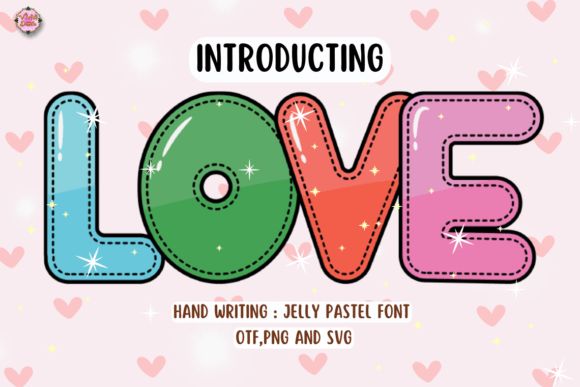
At first glance, Jelly Pastel captivates with its unique visual characteristics. Each letterform is designed to mimic the soft, plump appearance of jelly candies, rendered in a palette of gentle pastel hues. This gives the typeface a three-dimensional, tactile quality that stands out from flat, modern typography. The personality of the font is inherently friendly, approachable, and youthful, making it perfect for projects aimed at evoking happiness and indulgence. Its style is a blend of a rounded sans serif font's legibility with the decorative charm of a handwritten font, creating a look that feels both crafted and casual.
The overall appeal lies in its ability to instantly set a specific mood. While a serif font might convey tradition and authority, and a script font might suggest elegance, Jelly Pastel communicates fun, creativity, and a touch of nostalgia. It's a typeface that doesn't take itself too seriously, making it an excellent choice for breaking the ice with an audience and creating an emotional connection through design.
Where Jelly Pastel Truly Shines: Practical Applications
Understanding a font's strengths is key to using it effectively. Jelly Pastel is a specialist, not a generalist. It thrives in contexts where its sweet aesthetic can enhance the message rather than distract from it. Here’s where it works best:
- Dessert and Confectionery Branding: This is its natural habitat. Use it for bakery logos, dessert menu headers, packaging design for sweets, ice cream parlors, or chocolate shop branding. It instantly communicates the product's nature.
- Valentine's Day and Greeting Cards: The soft, heartfelt appearance is ideal for Valentine's Day messages, anniversary cards, or any stationery celebrating love and friendship. It adds a layer of sweetness that complements floral and romantic imagery.
- Children's Products and Events: From birthday party invitations and candy buffet signage to packaging for kids' treats, the playful jelly aesthetic resonates strongly with a younger audience and parents looking for fun.
- Social Media Graphics and Content Creation: In a crowded digital space, Jelly Pastel helps posts stand out. Use it for Instagram story headers, YouTube thumbnails, or Pinterest pins related to food, crafts, or lifestyle content. Its visual pop grabs attention in fast-scrolling feeds.
- Editorial Design for Specific Themes: A magazine feature on retro candy, a blog post about DIY desserts, or a themed cookbook can benefit from using Jelly Pastel for pull quotes, chapter titles, or sidebar graphics to reinforce the subject matter.
- Art and Hobbyist Projects: For crafters making labels, stickers, or scrapbook elements, this font adds a professional and charming touch that elevates personal projects.
Beyond Aesthetics: The Strategic Impact of Your Font Choice
Choosing a typeface like Jelly Pastel is a strategic decision that influences several key aspects of your project's success. It’s not just about looking good; it’s about communicating effectively.
Readability and Visual Hierarchy
As a display font, Jelly Pastel is designed for impact at larger sizes, such as headings, logos, and titles. Using it for long paragraphs of body copy would compromise readability. The key is to create a clear visual hierarchy. Pair Jelly Pastel with a clean, simple serif font or sans serif font for body text. This contrast ensures the playful headings catch the eye while the supporting text remains easy to read. For example, a dessert menu might use Jelly Pastel for the "Desserts" header, a classic serif font for the item names, and a simple sans serif for the descriptions.
Brand Perception and Consistency
Fonts are powerful tools for shaping brand identity. Consistently using Jelly Pastel in your logo design, website headers, and social media graphics builds a recognizable brand personality. It tells your audience that your brand is creative, fun, and detail-oriented. However, this consistency must be maintained. Mixing it randomly with unrelated fonts can create a disjointed and unprofessional look. Establish clear brand guidelines that specify when and how to use this creative font.
Audience Engagement
The right font can significantly boost engagement. Jelly Pastel's whimsical nature is inherently engaging. It can make a call-to-action feel more inviting, a social media post more shareable, and a product package more appealing. It taps into the psychology of color and shape, using soft pastels and rounded forms to trigger positive emotional responses. This can be particularly effective in marketing materials aimed at driving impulse purchases or encouraging interaction.
Practical Guidance for Using Jelly Pastel
Ready to incorporate this whimsical typeface into your toolkit? Here’s some practical advice for getting the most out of it.
- Evaluate the Project Fit: Before you start, ask yourself if the playful, sugary aesthetic aligns with your project's goals. It’s perfect for a cupcake shop but likely a poor fit for a law firm's annual report. The context is everything.
- Test Font Pairings: Don't use Jelly Pastel in isolation. Create mockups to see how it interacts with potential body fonts. Try pairing it with a neutral sans serif like Helvetica or Open Sans for a clean, modern look, or with a classic serif like Garamond for a more elegant, editorial feel. The pairing should create balance, not competition.
- Understand the Technical Specs: Jelly Pastel is an OpenType-SVG color font. This means its pastel colors are embedded directly into the font file, creating the jelly-like effect. Critical Note: This format is not compatible with Cricut design software. It is compatible with professional design applications like Adobe Photoshop, Illustrator, and Silhouette Studio. Always check the software compatibility before purchasing. For a deeper dive, consult the Ultimate Font Guide provided by the font creator.
- Review Included Styles: Check what’s included in the font package. Does it have multiple weights? Are there alternate characters or stylistic sets? Knowing the full scope of the asset allows you to explore more creative possibilities and maintain variety within a consistent style.
- Consider Commercial Licensing: If you're using Jelly Pastel for a client project, merchandise for sale, or any commercial endeavor, ensure you have the correct commercial license. Using a premium font correctly protects you legally and supports the type designers who create these valuable design assets.
In the world of design, the tools we choose tell a story. Jelly Pastel is more than just a collection of letters; it’s a storytelling device. It’s the font you reach for when you want to inject warmth, personality, and a dash of sweetness into your work. By understanding its strengths and applying it thoughtfully, you can transform ordinary designs into memorable experiences that delight your audience and strengthen your brand's unique voice.