Klause Font: Where Sophistication Meets Practical Design
When you encounter a typeface that manages to feel both timeless and distinctly modern, it’s worth pausing to understand why. Klause is one of those rare finds—a font that carries an air of understated luxury without sacrificing usability. It’s the kind of typeface that can quietly elevate a project, whether you’re crafting a brand identity for a boutique business, designing an editorial layout, or creating packaging that needs to stand out on a crowded shelf.
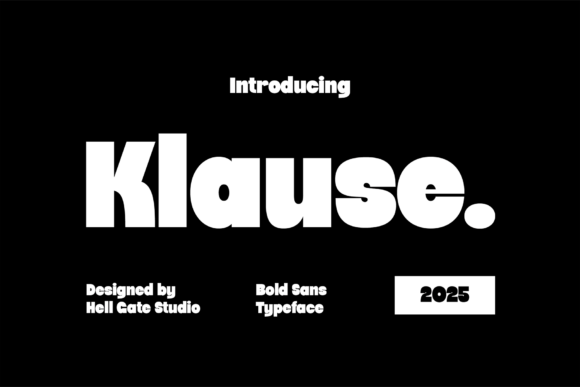
What sets Klause apart isn’t just its visual appeal, though that’s certainly compelling. It’s the way the font balances elegance with function. The letterforms have a refined, slightly condensed structure that gives text a polished, professional rhythm. There’s a subtle sophistication in the curves and terminals—details that might go unnoticed at a glance but contribute to the overall feeling of quality. This isn’t a font that shouts; it speaks with confidence, making it particularly well-suited for projects where credibility and aesthetic refinement matter.
A Typeface Built for Real-World Projects
If you work in branding, you know how critical it is for a font to align with a company’s personality. Klause works beautifully for brands that want to convey trustworthiness with a touch of elegance—think high-end cosmetics, artisanal food products, boutique hotels, or professional services like law firms and financial consultants. Its versatility as a premium font means it can adapt to various contexts without losing its core character.
For editorial designers, Klause offers a refreshing alternative to overused serif and sans serif fonts. Imagine it on the cover of a lifestyle magazine, used for feature headlines or pull quotes. Its clarity at larger sizes makes it ideal for display use, while its balanced proportions ensure it remains legible even in longer subheadings. Publishers working on book covers or interior chapter titles will find it adds a layer of sophistication that generic fonts often lack.
In digital spaces, Klause holds its own remarkably well. Web designers can use it for hero sections, landing page headers, or call-to-action buttons where a touch of personality is needed without compromising readability. Social media creators will appreciate how well it photographs—its clean lines and distinctive style translate effectively to graphics, thumbnails, and video overlays. For entrepreneurs building a brand from scratch, incorporating a font like Klause early on can help establish a cohesive visual identity that feels intentional and professional.
How Klause Influences Brand Perception and Audience Engagement
Typography isn’t just about picking something that looks nice; it’s a strategic tool that shapes how people perceive your message. The fonts you choose send subtle signals about quality, reliability, and attention to detail. Klause, with its refined aesthetic, naturally elevates the perceived value of whatever it accompanies. A product label set in Klause feels more premium. A website using it for headlines feels more trustworthy. A business card featuring it feels more memorable.
Consider how font pairing works in practice. Klause pairs well with clean, neutral sans serif fonts for body text, creating a harmonious visual hierarchy that guides the reader’s eye. It also complements simpler serif fonts when you want a more traditional feel with a modern twist. The key is to let Klause do the heavy lifting in areas where you want to draw attention—headlines, logos, key messaging—while supporting it with more understated typefaces for longer passages.
For small business owners and content creators, this kind of thoughtful typography can make a tangible difference. Consistency in your visual language builds recognition over time. When your audience sees the same font across your website, packaging, social media, and marketing materials, it reinforces your brand’s identity. Klause provides a distinctive enough character to be recognizable without being so ornate that it limits your creative flexibility.
Practical Guidance for Working with Klause
Before committing to any font, it’s worth taking the time to evaluate whether it truly fits your project. Start by examining the included styles and weights. Klause comes in OTF format, which ensures high-quality rendering across different platforms and applications. Test it in the contexts where you’ll actually use it—mock up a logo, set a paragraph of body text, try it at various sizes. Pay attention to how it handles different colors and backgrounds. A font that looks stunning in black on white might need adjustments when placed over a photograph or used in a dark mode design.
Readability is always a priority, especially for text that needs to communicate information quickly. While Klause excels as a display font, you’ll want to assess its performance in smaller sizes if you’re considering it for captions or UI elements. In most cases, its clear letterforms and balanced spacing make it a reliable choice, but testing ensures you’re making an informed decision.
Licensing is another practical consideration. If you’re using Klause for commercial projects—client work, products for sale, or business branding—make sure you understand the terms. Most premium fonts include commercial licenses, but it’s always wise to review the specifics. This protects both you and the font designer, ensuring fair use and supporting the creative community that produces these valuable design assets.
Ultimately, Klause is more than just a creative font; it’s a tool that can help you communicate more effectively. Whether you’re a designer refining a client’s brand identity, a marketer crafting campaign materials, or a hobbyist working on personal projects, it offers a blend of beauty and practicality that’s hard to find. By thoughtfully integrating it into your work, you can create designs that not only look exceptional but also resonate with your audience on a deeper level.