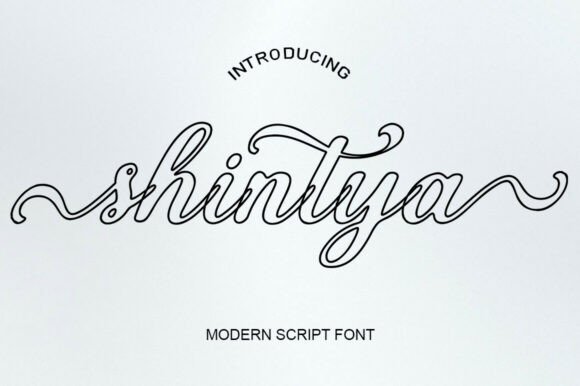
Shintya: A Modern Calligraphy Font with Character
There's a particular kind of typeface that doesn't just sit on the page—it moves. Shintya is exactly that. This modern script calligraphy font carries an irregular baseline, which means the letters don't march in a rigid, uniform line. Instead, they dance. They dip and rise with a natural rhythm that mimics actual handwriting, giving your designs an organic, lived-in quality that many polished fonts struggle to achieve.
What makes Shintya stand out in a crowded market of script fonts is its balance between trendiness and timelessness. The style leans feminine without being overly delicate, modern without feeling cold. It has personality baked into every curve and connection. If you've ever struggled to find a typeface that feels personal yet professional, warm yet contemporary, Shintya occupies that sweet spot with confidence.
Visual Style and Personality
The irregular baseline is the defining feature here, and it's worth understanding why that matters. Most typefaces align every letter to a strict horizontal axis. Shintya breaks that rule intentionally. The result is text that looks like it was written by a real hand—someone who wasn't obsessing over perfection but instead focusing on expression. This gives the font a relaxed, approachable energy that rigid scripts simply can't replicate.
The letterforms themselves feature smooth, flowing connections with just enough contrast between thick and thin strokes to maintain legibility. The overall tone is romantic and stylish, leaning into contemporary calligraphy trends without veering into overly ornate territory. It's the kind of script font that feels current today and will still look relevant three or five years from now, because its appeal isn't tied to a single passing fad.
Shintya also ships with a generous set of design assets. You'll find initial and terminal letters, alternate characters, ligatures, and support for multiple languages. These features aren't decorative extras—they're practical tools. Alternates let you customize the look of repeated letters so they don't appear identical. Ligatures create smoother connections between specific letter pairs. Together, they make the font feel more authentic and less like a digital imitation of handwriting.
Where Shintya Works Best
This is a display font through and through, which means it's designed for headlines, logos, and prominent text rather than long body paragraphs. Understanding that distinction is crucial for using it effectively.
Wedding invitations and event stationery are natural fits. The feminine, flowing character of Shintya pairs beautifully with romantic themes. Think save-the-dates, RSVP cards, menus, and ceremony programs. The irregular baseline adds a handcrafted feel that elevates printed pieces beyond standard template designs.
Logo design and brand identity projects benefit from Shintya's distinctive personality. If you're building a brand for a boutique, salon, bakery, lifestyle blog, or creative studio, this typeface can become a recognizable visual element. The key is pairing it thoughtfully—a topic worth exploring in detail.
Thank you cards, greeting cards, and quotes are another strong application. The font's warmth and expressiveness make short, emotionally resonant text feel genuine rather than manufactured. Social media graphics fall into this category too. Quote posts, story overlays, and promotional banners all benefit from a typeface that catches the eye and conveys feeling quickly.
For packaging design, particularly in cosmetics, artisan goods, or specialty foods, Shintya brings an upscale, handmade sensibility. It signals craftsmanship and care—qualities that influence purchasing decisions in crowded retail environments.
Pairing Shintya with Other Typefaces
Every creative font needs partners. Shintya's expressive, decorative nature means it works best alongside something clean and understated. A simple sans serif font for body text creates visual contrast and ensures readability. Think of it as a conversation: Shintya makes the bold, emotional statement, and the supporting typeface provides the calm, clear context.
A classic serif font can also work well, especially in editorial design or publishing contexts where you want a slightly more traditional feel. The combination of a flowing handwritten font like Shintya with a structured serif creates an interesting tension—elegant yet approachable, refined yet personal.
When testing font pairings, pay attention to scale. Shintya typically looks best at larger sizes where its details can breathe. Set your supporting typeface at a smaller size for contrast. This approach creates a natural visual hierarchy that guides readers through your content without confusion.
Practical Considerations Before You Commit
Before integrating Shintya into any project, test it in context. Set the actual words and phrases you'll be using—not just the pangram from the specimen sheet. Check how specific letter combinations look. Review the alternates and ligatures to see if they improve the overall appearance of your particular text. Every project is different, and what looks stunning in a font preview might need tweaking in practice.
Readability deserves honest assessment. At small sizes or in long strings of text, script fonts can become difficult to parse. Shintya's irregular baseline, while visually appealing, adds an extra layer of complexity. Reserve it for short-form applications: names, headlines, taglines, single sentences. For anything longer, switch to a legible sans serif or serif body font.
Color and background matter too. Shintya's varying stroke widths mean it performs better with sufficient contrast. Dark text on light backgrounds or vice versa. Avoid busy backgrounds or low-contrast color combinations that could compromise clarity.
Licensing is another practical checkpoint. If you're using Shintya for commercial work—client projects, products for sale, business materials—confirm that your license covers that use. Most premium font foundries offer clear commercial licensing, but it's worth verifying before you build a brand identity around a typeface you haven't properly licensed.
Making the Most of Included Features
The alternates, ligatures, and initial/terminal letter forms included with Shintya are what separate a good design from a great one. In most design software, you can access these through the OpenType panel. Swapping in an alternate "s" or connecting two letters with a ligature can eliminate awkward spacing and create a more natural flow.
Take the time to explore what's included. Many designers purchase a creative font with extensive features and never use them. That's a missed opportunity. The alternates in Shintya exist specifically to help you customize and refine your typography so it doesn't look like a default setting everyone else is using.
For web design and digital applications, test rendering across devices and browsers. Script fonts can display differently depending on the platform. What looks fluid on a desktop screen might lose detail on mobile. Always preview at the actual size and context where your audience will see it.
Final Thoughts on Fit and Feel
Choosing a typeface is ultimately about alignment. Does the font's personality match the project's tone? Does it speak the right visual language for the audience? Shintya excels when the goal is warmth, femininity, modern elegance, and human connection. It's less suited for corporate reports, technical documentation, or contexts demanding strict formality.
For designers, marketers, bloggers, and small business owners looking for a modern typography solution that feels personal without sacrificing polish, Shintya deserves a serious look. It's a versatile design asset that, when used thoughtfully, can strengthen visual communication across print, digital, branding, and personal creative projects. The irregular baseline isn't a flaw—it's the feature that makes everything feel real.