Smiley Font: Adding Colorful Fun to Your Creative Projects
You know the feeling when a project needs a spark. Maybe it's a poster that feels too corporate, a social media graphic that blends into the feed, or a brand identity that needs to convey approachability. This is where a typeface like Smiley steps in. It’s not just a font; it's a design asset built to inject personality. As a cheerful display font, Smiley is engineered for moments that require visual joy, offering a modern twist on whimsical design. It moves beyond simple legibility to become a central part of your visual message.
Visual Personality: More Than Just a Happy Face
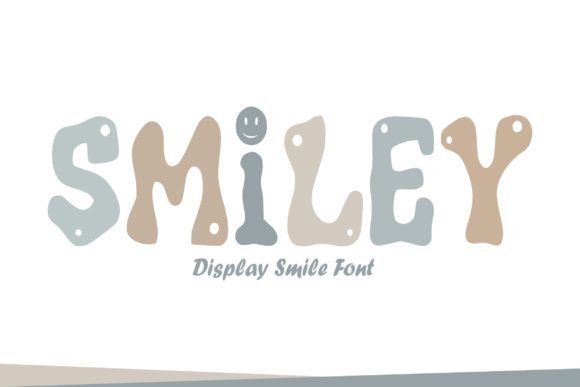
At its core, Smiley is a premium font that balances playfulness with contemporary design standards. Its characters feature rounded edges and a bouncy baseline, traits common in handwritten font styles, but with a cleaner, more structured execution. This isn't the chaotic scrawl of a child’s notebook; it’s a refined creative font suitable for professional applications. The letterforms often have a slight weight variation that mimics the pressure of a brush or marker, adding a human touch that a standard sans serif font might lack.
This typeface thrives on contrast. While it works beautifully as a headline, it’s designed to be a statement piece. Think of it as the visual equivalent of a bright accent wall in a thoughtfully decorated room. It doesn't shout; it invites. For brand identity projects, especially those targeting families, children, or lifestyle sectors, Smiley can become the cornerstone of a recognizable visual language. It helps brands appear approachable and confident without sacrificing clarity.
Strategic Applications: Where Smiley Shines
Understanding where to deploy a font like Smiley is key to leveraging its strengths. Its utility spans far beyond novelty, proving its worth in various professional contexts.
Branding and Marketing
For logo design, Smiley offers a distinct advantage for businesses in entertainment, food, education, or creative services. A bakery, a children's bookstore, or a community center could use it to immediately signal a welcoming atmosphere. In packaging design, it can differentiate products on a crowded shelf, especially for items targeting a younger demographic or those meant to evoke nostalgia and joy.
When creating social media graphics, a font that stands out is crucial. Smiley can be used for Instagram story headers, YouTube thumbnails, or Pinterest pins to increase engagement. Its inherent energy makes it perfect for announcements, sales, and event promotions where you want the viewer to feel a positive emotional response.
Editorial and Digital Design
In editorial design, Smiley is ideal for pull quotes, section headers, or feature titles in magazines and blogs focused on lifestyle, crafts, or family. It breaks the monotony of body text set in a neutral serif font or sans serif font, creating clear visual hierarchy. For web design, it can be used sparingly for call-to-action buttons, 404 page messages, or newsletter sign-up forms to add a touch of personality without compromising the site's overall professionalism.
Personal and Commercial Projects
Crafters and hobbyists will find Smiley invaluable for creating custom stickers, greeting cards, and party invitations. Its clarity at various sizes makes it versatile for both digital prints and physical cuts. For small business owners, it’s a tool to create cohesive marketing materials in-house, from flyers to business cards, that look polished and intentional.
Design Fundamentals: Using Smiley Effectively
Adopting any display font requires a thoughtful approach. Here’s practical guidance on integrating Smiley into your work.
Font Pairing and Hierarchy
The golden rule with a font like Smiley is balance. Pair it with a clean, neutral typeface for body copy. A classic serif font like Georgia or a simple sans serif font like Open Sans can provide a stable foundation that lets Smiley’s personality shine without overwhelming the reader. Use Smiley for headlines, subheadings, or key phrases where you want to draw the eye. This creates a clear visual hierarchy, guiding the reader through your content logically.
Readability and Context
While Smiley is legible for short bursts of text, it’s not designed for long paragraphs. Its decorative nature can cause eye strain over extended reading. Always prioritize the user’s experience. Test the font at the intended size and medium. A headline that looks perfect on your monitor might need adjustment for a printed poster viewed from a distance.
Evaluating the Font Package
Before purchasing or downloading, review the font’s included styles. Does it offer multiple weights or just one? Check for essential glyphs, especially if your project requires multilingual support or specific symbols. Understand the commercial font license thoroughly. A license for a personal craft project differs from one for a product sold to the public. Ensure the terms align with your intended use to avoid legal complications down the line.
Ultimately, Smiley is more than a decorative element; it’s a strategic choice for injecting warmth and energy into a project. By using it intentionally and pairing it with complementary design elements, you can create work that resonates emotionally, stands out visually, and communicates your message with joyful clarity.